




05
Jun
Commercial Bike Racks: Choosing, Installing, and Best Practices
-
Posted by
Ryan Fisher
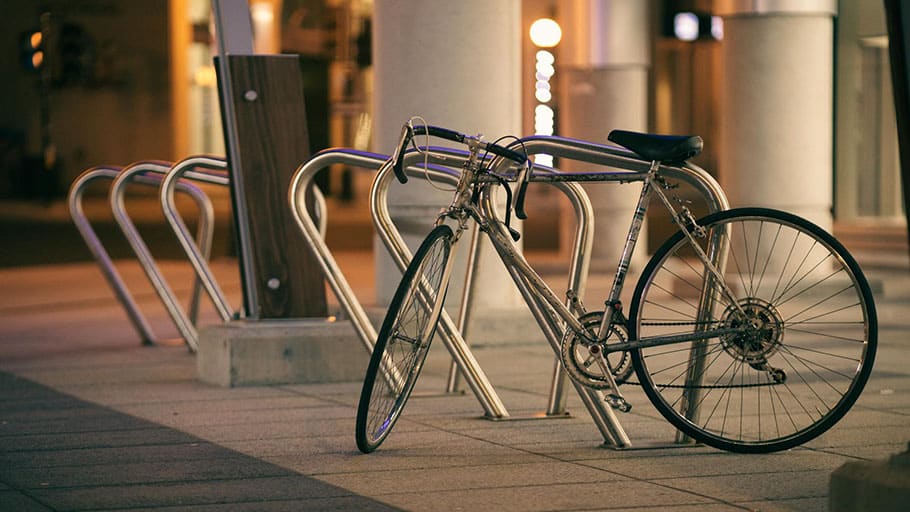
With the sharp rise in bike theft, secure parking is more important than ever.
Ryan Fisher
With the sharp rise in bike theft, secure parking is more important than ever.
 Ryan Fisher
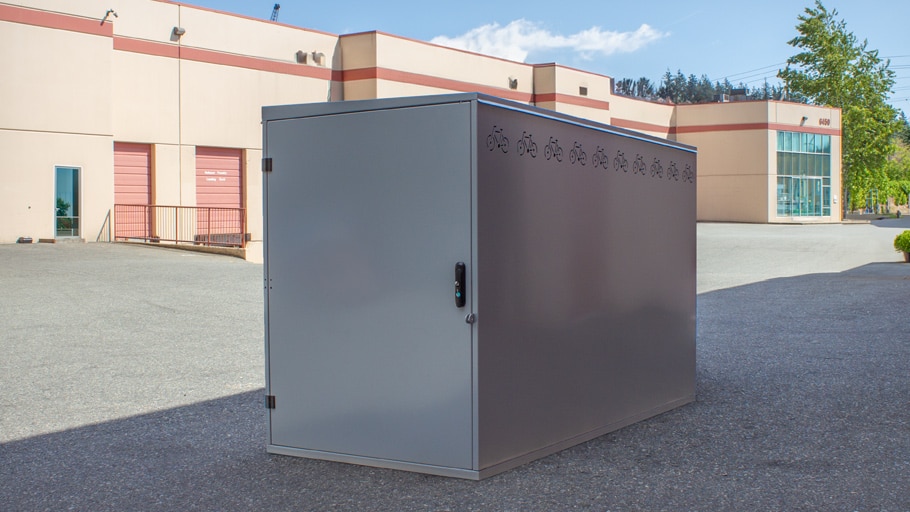
As urban cycling continues to rise, the need for secure bike parking solutions becomes increasingly critical. Cyclists face numerous challenges in finding safe and reliable places to store their bikes. Amsterdam, for example, 63 percent of citizens cycle daily, underscoring the importance of effective bike storage solutions in cities.
 Ryan Fisher
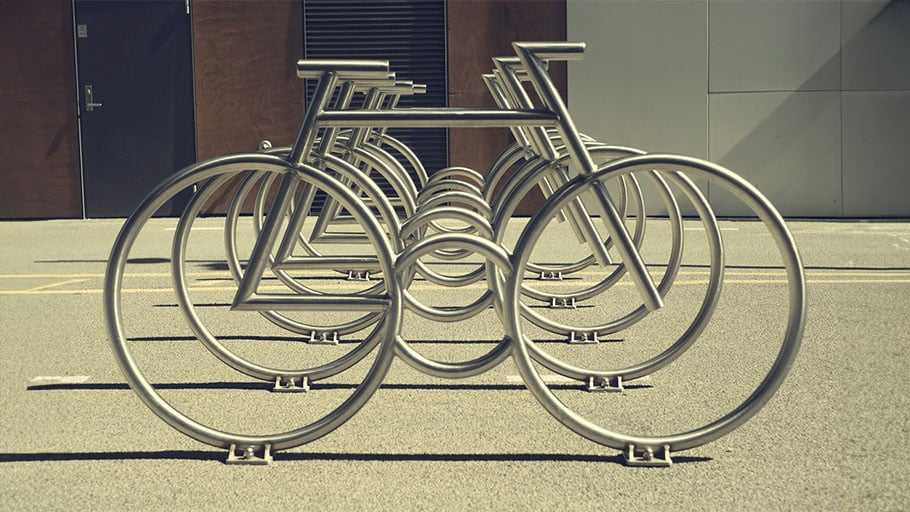
By re-envisioning bike racks as elements of urban art, municipalities can transform essential infrastructure into icons of a modern, cycling-friendly community, encouraging more urban dwellers to choose pedals over petrol. This article delves into how innovative bike rack designs can be integrated into the urban fabric, beautifying cityscapes, and championing a healthier, more sustainable mode of transportation.
 Ryan Fisher
 Ryan Fisher
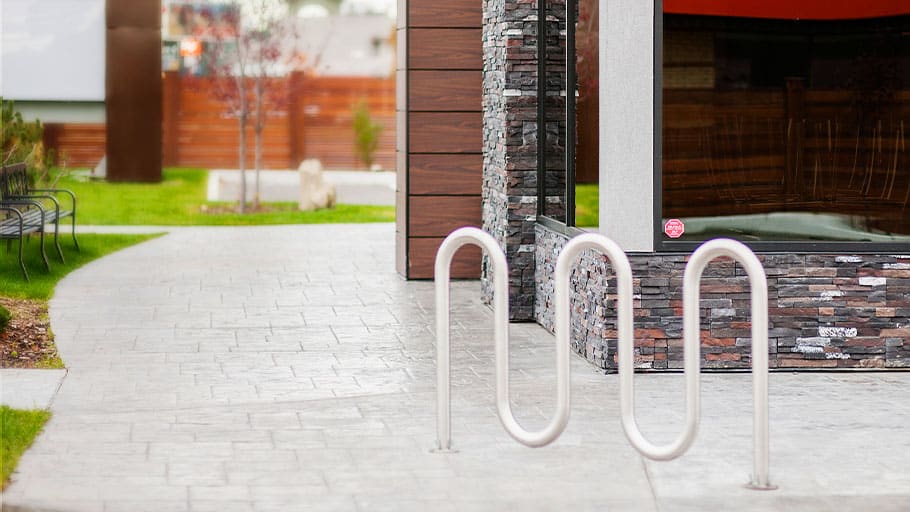
As the popularity of cycling continues to surge, the demand for adequate bike parking solutions has become paramount. While outdoor bike racks have been commonplace, indoor spaces are now also being considered as viable locations for accommodating bicycles. In this article, we will delve into the advantages and disadvantages of installing bike racks in indoor spaces.
 Ryan Fisher
 Ryan Fisher
Bike racks were first used in the 19th century when bicycles were becoming a more popular method of transportation in cities. Early designs often secured only one wheel and offered only a few basic styles, most commonly either a simple ladder style, or a grooved concrete block to hold the front wheel in place.

 David Hilscher
As communities become more interconnected, businesses and municipalities have an opportunity to attract a growing number of cyclists by providing bike parking. We cover our top seven reasons why every commercial space needs to be bike friendly.
 David Hilscher
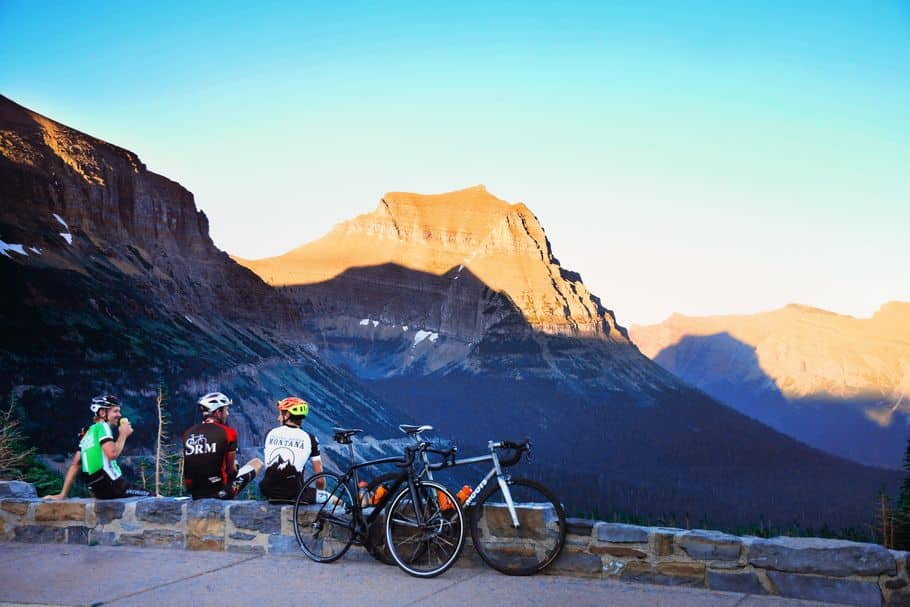
Picturesque mountain vistas and lush, rolling valleys combine to make Montana a perfect bicycle tourism destination.
 David Hilscher
With a warm, temperate climate, abundant wildlife, and some of the world’s most magnificent beaches and ocean views, bicycle tourism and infrastructure is growing in the state of Hawaii.
 David Hilscher
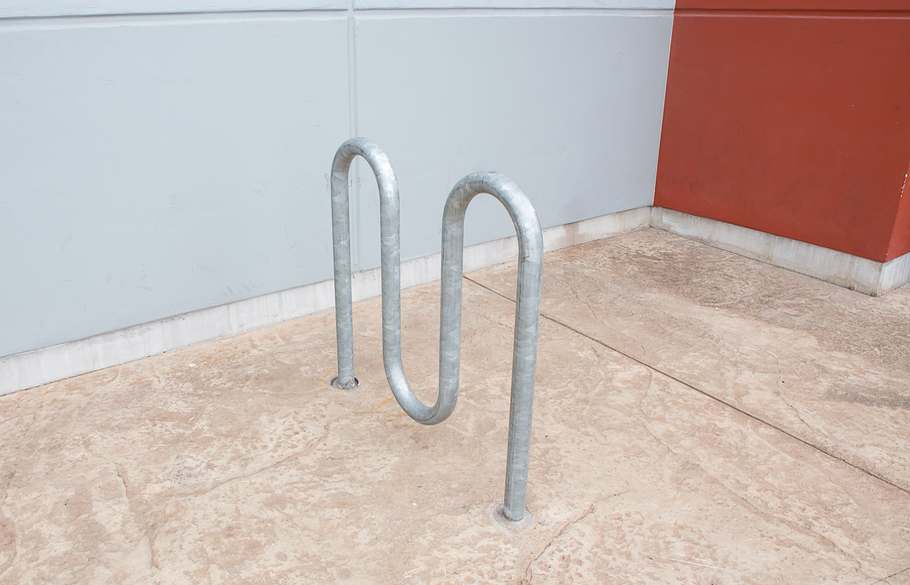
Industrial bike racks can be installed in-ground, under concrete, making them undefeatable by bike thieves.
 David Hilscher
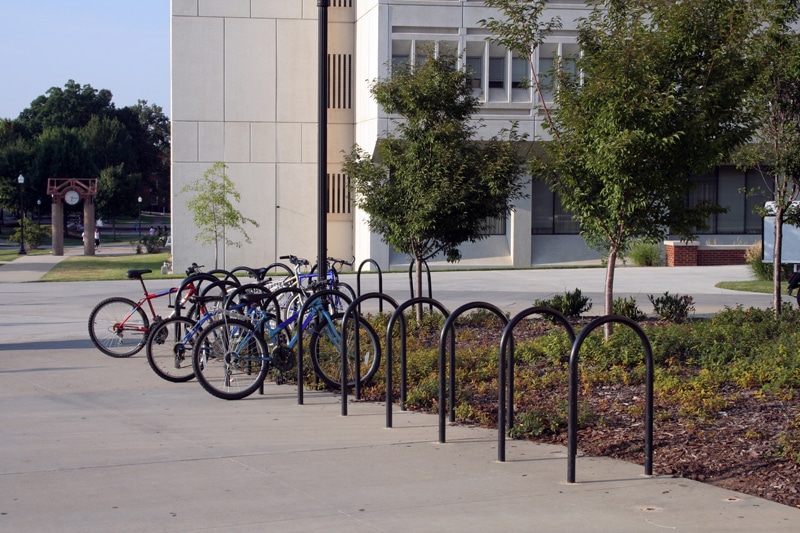
Getting kids walking and biking to school requires cultural change. Most kids arrive to school in cars and driving is standard. Creating new habits means making active transportation feel normal—elementary kids don’t want to stand out as doing
 David Hilscher
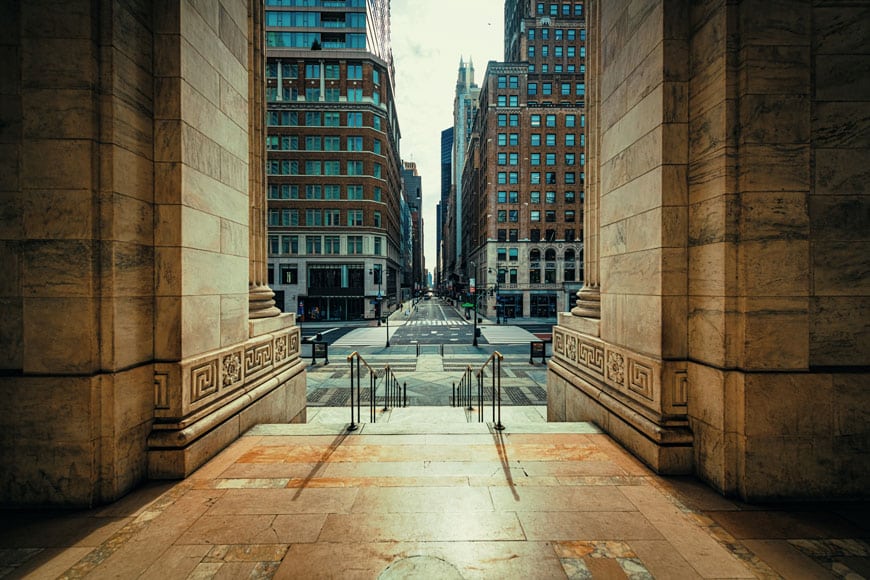
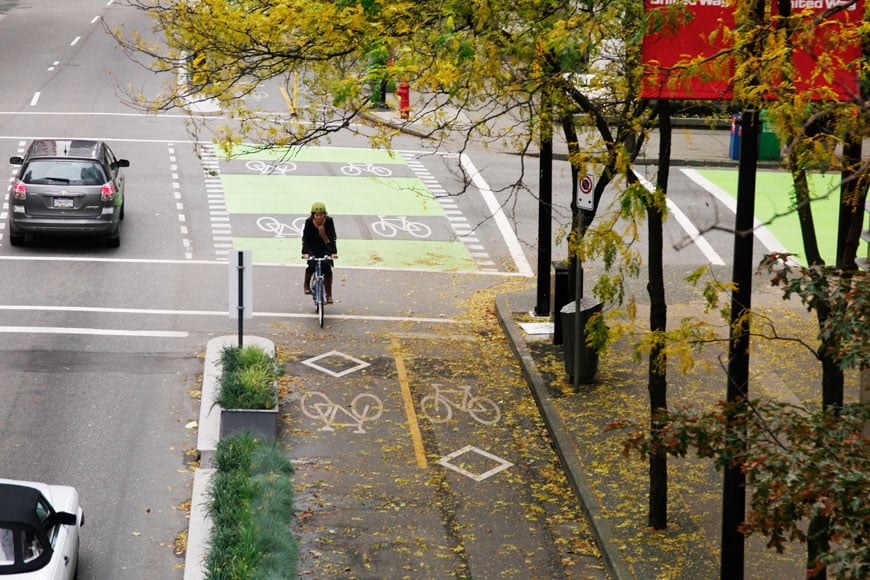
We wondered what the data might show about the changes in bike traffic: how does it compare to changes in vehicle traffic?
 David Hilscher
 David Hilscher
 David Hilscher
 David Hilscher
 David Hilscher
 David Hilscher
 David Hilscher
No account yet?
Create an Account