


Commercial Bike Racks: Choosing, Installing, and Best Practices



Commercial bike racks are more than just a place to park a bike—they’re essential infrastructure for businesses, public spaces, and institutions committed to sustainability, security, and customer satisfaction. This expert guide explores everything you need to know about selecting, installing, and optimizing commercial bike racks for your property or facility.
Why Commercial Bike Racks Are Essential for Modern Spaces
Enhancing Property Value and Appeal
Investing in commercial bicycle parking solutions is a smart way to attract cyclists—including customers, employees, and residents. Studies show that cyclists tend to spend more time and money at businesses that offer secure bike parking, making them bike racks a valuable asset for retail, office, hospitality, and mixed-use developments.
Offering visible and accessible bike parking signals a commitment to sustainability and active transportation. This eco-conscious investment can contribute to green building certifications like LEED (Leadership in Energy and Environmental Design), and help properties stand out to environmentally minded tenants, visitors, and patrons.

Ensuring Security and Preventing Theft
The increased popularity of cycling has unfortunately led to a rise in bike theft. In 2020 alone, over 96,000 bike thefts were reported in the U.S.—and actual numbers are estimated to be much higher, exceeding 1.7 million annually.
Installing durable commercial bike racks made from robust materials, placed in high-visibility areas, and designed to support secure locks significantly reduces theft risk. Models that accommodate U-locks and offer multiple locking points create peace of mind for cyclists and reinforce your property’s reputation as a safe, thoughtful place to park.
Optimizing Space and Traffic Flow
Bike racks for schools, businesses, and public facilities can be incredibly space efficient. A single standard car parking spot can accommodate up to 12 bicycles. With proper planning, these racks can free up valuable square footage, reduce vehicular congestion, and improve site circulation.
Well-positioned racks also contribute to safer pedestrian zones and improve traffic flow patterns on your property, making it more functional and accessible for all users.

Types of Commercial Bike Racks: Finding Your Perfect Fit
Selecting the right types of commercial bike racks depends on your specific needs, available space, and user base. Below are some of the most popular and effective options for various applications.
U-Racks (Inverted U / Staple Racks)
U-racks are the gold standard in commercial bicycle parking solutions. Their simple, functional design supports the bike’s frame and wheel, making it easy to lock with a U-lock. Highly visible and intuitive to use, U-racks are a favorite for offices, retail centers, and campuses looking for maximum utility with a minimal footprint.
Wave Racks (Serpentine Racks)
Wave racks—also called serpentine racks—offer an eye-catching design while accommodating multiple bikes in a compact space. These racks are a great choice for public spaces, outdoor malls, and business districts where aesthetics and functionality must go hand in hand.
Bollard Bike Racks
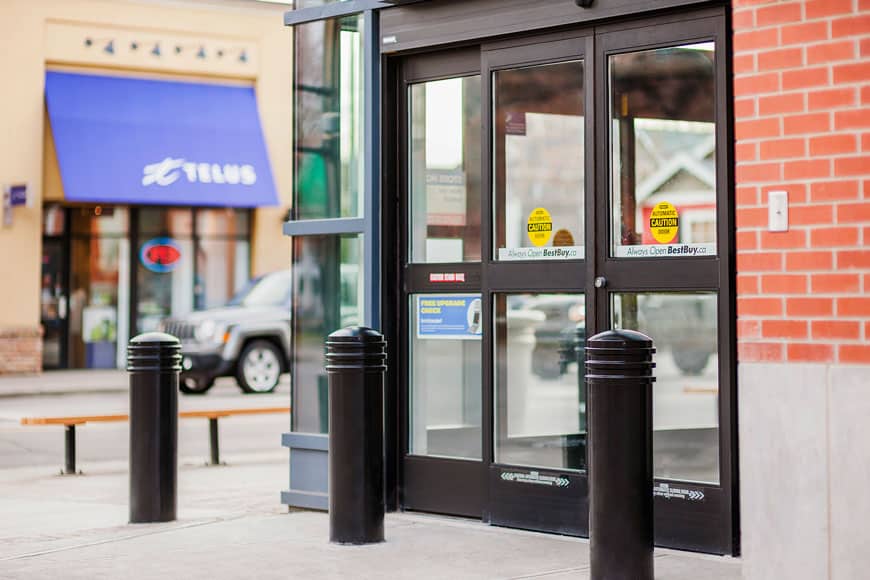
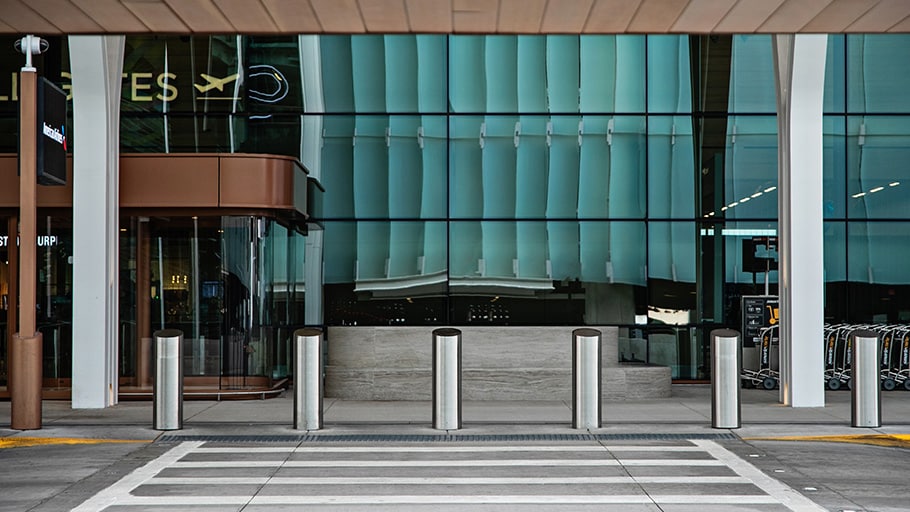
Bollard bike racks serve dual purposes: they provide secure bike parking while also functioning as protective barriers for pedestrian zones. Their heavy-duty construction and vertical design make them excellent for streetscapes and transit corridors.

Multi-Capacity & Specialty Racks
Two-Tier Bike Racks
Ideal for high-traffic areas like transit stations, office complexes, or educational institutions, two-tier bike racks help maximize vertical space. These racks double your parking capacity without increasing your footprint—perfect for dense urban environments.
Bike Lockers & Shelters
Bike lockers and covered shelters provide top-tier security and weather protection for long-term bike parking. Popular with commuters, university students, and employees, these options protect bikes from theft and the elements, enhancing your site’s functionality and user experience.
Custom Designed Bike Racks
Custom racks allow you to create unique commercial bicycle parking solutions that reflect your branding or architectural style. Whether incorporating logos, custom colors, or special shapes, like with our R-8243 and R-8244, these racks enhance visual identity while serving a practical purpose. They can also be tailored to accommodate specialty bikes like electric or cargo models.

Key Factors to Consider When Choosing Commercial Bike Racks
Security Features & Lock Compatibility
Look for racks that support high-security U-locks and allow for multiple contact points, such as those that can be locked to both the frame and wheels. Avoid designs that only support cable locks, as these are easily compromised. For best results, choose racks made with tamper-resistant hardware and thick, welded steel tubing.
Material & Finish Durability
To withstand the demands of public or high-traffic use, prioritize durable commercial bike racks made from industrial-grade steel, stainless steel, or have galvanized finishes. These materials resist rust, impact, and vandalism. Protective coatings like powder-coating or IronArmor™ finishes further extend longevity and prevent bike damage.
Capacity & Spacing Requirements
Plan for user convenience by spacing racks according to industry standards: allow at least 36–48 inches between racks and maintain 48-inch aisles for access. This spacing ensures ease of use and compliance with ADA requirements, especially when accommodating larger bikes such as those with fat tires or cargo frames.
ADA Compliance
To ensure ADA compliance, make sure racks do not obstruct pedestrian walkways and that there is adequate space for individuals with mobility aids. Features like low crossbars or tactile indicators can support accessibility for people with visual impairments. Always maintain a clear 36-inch path.

Mounting Options
Surface Mount
Quick and convenient, surface mounting involves bolting the rack directly to concrete or pavement. It’s ideal for previously existing locations where new concrete isn’t being poured, although it offers less protection against theft compared to embedded options.
Embedded Mounting
For maximum stability and security, in-ground mounting is the preferred method for permanent installations. By anchoring the rack in new concrete, you reduce movement and improve longevity—an excellent option for bike rack installation in high-use areas.
Rail Mount & Freestanding Options
Rail-mounted racks group multiple bike stands on a single steel rail, allowing for consistent spacing and easier relocation. Freestanding racks require no anchoring and are best used for flexible or temporary setups, such as events or seasonal programs.
Aesthetic Integration & Design
Best bike racks for public spaces don’t just function well—they look good doing it. Today’s commercial racks are available in a wide array of styles, finishes, and colors to match your property’s aesthetic. Consider design elements that align with your brand or architectural theme to enhance curb appeal.

Commercial Bike Rack Installation: A Step-by-Step Overview
Site Preparation and Planning
Start by surveying your site for utilities and underground obstructions. Choose a location that is highly visible, close to entrances, and well-lit for safety. Ensure your installation plan meets all local building codes and ADA compliance standards.
General Installation Guidelines (for Common Types)
- Mark the Installation Location: Use chalk or markers to indicate exact placement based on your rack’s specifications.
- Prepare the Surface: For in-ground installs, excavate to the required depth. For surface mounting, drill holes using a masonry bit aligned with anchor bolts.
- Secure the Rack: Pour concrete or insert anchors as appropriate. Fasten racks using tamper-proof hardware. Allow sufficient curing time before use.
Get Detailed Instructions
Looking for specifics on surface mount, in-ground, rail-mounted, or removable bike rack installation? View our comprehensive guide.
Importance of Professional Installation
Importance of Professional Installation
For optimal performance, professional installation is highly recommended. It ensures that racks are properly aligned, securely anchored, and meet all legal and functional requirements. A poor installation may lead to liability issues, damage to property, or ineffective use of space.
FAQ
What kind of bike rack is best for commercial use?
U-racks and wave racks are the most commonly recommended due to their balance of security, usability, and compact design. For added protection, especially in long-term parking scenarios, bike lockers and two-tier systems are excellent choices.
How many types of commercial bike racks are there?
There are several categories, including U-racks, wave racks, bollard racks, two-tier systems, lockers, shelters, and custom-designed racks, each suited for different needs and environments.
What is the most secure commercial bike rack?
embedded U-racks and enclosed bike lockers offer the highest level of security. Look for racks constructed from heavy-duty steel with theft-resistant features.
What are the key benefits of installing bike racks at a business or public facility?
Key benefits include attracting cyclists, improving security, maximizing available space, supporting sustainability goals, and boosting your property’s value and functionality.
Are there specific regulations or standards for commercial bike rack placement?
Yes. Placement should follow ADA accessibility guidelines and local zoning regulations. Ensure proper spacing from walls, roads, and walkways to maintain safety and usability.